

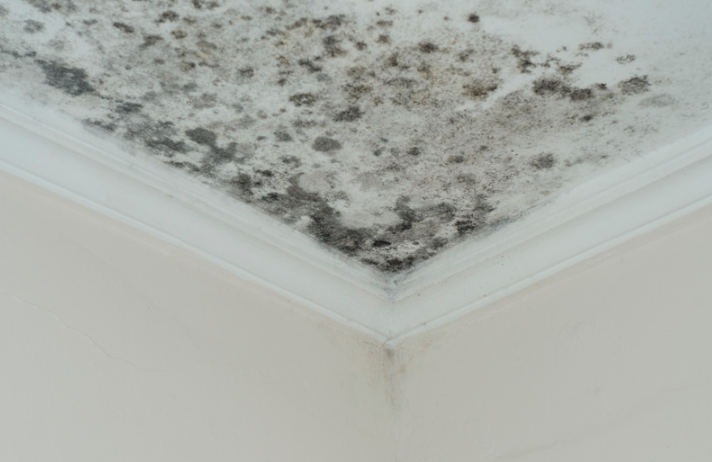
In Texas, mold damage coverage under homeowners insurance is only applicable when it results from a sudden and accidental covered event, such as a burst pipe or storm damage. But insurers still frequently deny these legitimate mold damage insurance claims in Texas by mischaracterizing storm-caused mold as gradual damage, which is a tactic that can be challenged with the right documentation and legal representation.
If the mold in your home grew because of a sudden and accidental event, then coverage is likely. If the mold developed gradually over time, from a slow leak, poor ventilation, or deferred maintenance, your insurer will almost certainly deny the claim.
The Houston home insurance attorneys at McLaurin Law represent policyholders whose mold damage claims have been denied or underpaid. Jason McLaurin built his career evaluating exactly these kinds of claims from the insurer’s side. He knows the playbook, and he knows when it is being used against you.
What Texas Law and the TDI Say About Mold Coverage
The Texas Department of Insurance confirms that most homeowner and renters policies in Texas cover sudden and accidental water damage and that if mold develops on a damaged item as a result, it would be covered. They also say that most policies do not cover water damage from gradual leaks or seepage, and that the exclusion extends to mold damage that develops as a result.
The Texas Attorney General’s office adds important context: most homeowners insurance policies sold in Texas are known as HO-A policies. These policies generally only cover sudden and accidental water leaks and do not cover damage from continuous or repeated leakage. Many HO-A policies do not cover mold remediation at all. Those that do typically cap coverage at a specific dollar amount.
When Mold Damage Is Covered Under a Texas Homeowners Policy
Your mold damage claim is most likely to be covered when the mold can be traced directly to a specific, sudden, accidental event that is itself covered by your policy. Common examples include:
- A burst pipe: If a pipe suddenly fails and water soaks a wall or floor, mold that develops from that water damage is typically covered as part of the underlying claim.
- A toilet overflow or appliance hose failure: Sudden, accidental water releases from appliances or fixtures are generally covered, and mold that develops as a result would be included.
- Storm-related roof damage: If a storm damages your roof and allows water to enter before you can make repairs, the resulting mold may be covered as part of your storm damage claim. Acting quickly to document the damage and make temporary repairs is critical.
- A broken water heater: A sudden failure that releases water and leads to mold growth may be covered under your policy’s coverage for accidental water damage.
In all of these scenarios, the key word is sudden. The mold must be the direct result of a covered event, not a condition that developed gradually over weeks or months.
When Mold Damage Is Not Covered
Texas HO-A policies generally exclude mold damage in the following situations:
- Gradual leaks or seepage: If a pipe has been slowly dripping for months or a roof has had a minor leak for years, the resulting mold is almost certainly excluded. Insurers characterize this as a maintenance failure rather than a covered peril.
- Flood damage: Standard homeowners’ policies do not cover flooding. You would need a separate flood insurance policy through the National Flood Insurance Program to address flood-related mold damage.
- High humidity or poor ventilation: Mold that develops due to the natural humidity of a Houston home or because of inadequate ventilation in bathrooms, attics, or crawl spaces is not covered. Insurers treat this as a homeowner maintenance responsibility.
- Neglected damage: If you knew about water damage and did not address it on time, the insurer may argue that the mold was preventable and deny coverage on that basis.
If your mold damage claim has been denied and you believe the damage was caused by a sudden and accidental event, that denial may not be final. McLaurin Law can review your policy and your denial letter and tell you whether you have grounds to challenge it.
How Insurers Use the Gradual Versus Sudden Distinction Against You
This is where the claim gets complicated for Houston homeowners. After a hurricane, a major hail event, or a freeze like Winter Storm Uri, mold can develop rapidly, sometimes within 24 hours of water intrusion. That mold is clearly the result of a sudden storm event. But if an adjuster comes to your home weeks later, after the mold has spread, they may characterize it as a pre-existing or gradual condition rather than storm-related damage.
This is one of the most common bad faith tactics used in Texas mold damage claims. The insurer does not dispute that mold exists, but rather when it started and what caused it. By shifting the characterization from sudden storm damage to gradual neglect, they eliminate coverage.
Challenging this argument requires documentation. Photos and video taken immediately after the storm or water event, contractor assessments, and weather records that establish the timeline between the covered event and the mold discovery are all critical. The stronger your timeline, the harder it is for the insurer to reframe your claim as a maintenance issue.
What to Do If Your Mold Damage Claim Is Denied
If your insurer has denied your mold damage claim, here is what to do before accepting the denial:
- Read the denial letter carefully. Under Texas Insurance Code Section 541.060, it is an unfair settlement practice for your insurer to fail to promptly provide you with a reasonable explanation for the denial, based on your policy language and the applicable facts. If the denial letter does not clearly explain the specific reason your claim was rejected, that failure may itself be grounds for a bad faith claim.
- Document your damage thoroughly. Photograph every affected area, inside and out. If you have not already done so, hire a licensed mold assessor. Under Texas law, all mold assessors and remediators must be licensed by the Texas Department of Licensing and Regulation. A professional assessment report documenting the cause and scope of the mold can directly counter an insurer’s characterization of the damage.
- Establish your timeline. Gather any evidence that connects the mold to a specific covered event, including storm reports, weather data, photos from around the time of the event, contractor reports, and communications with your insurer about the underlying water damage.
- Check your policy’s reporting deadline. According to the Texas Attorney General’s office, your policy may require you to report water damage within a set time after you discover it (generally 30 days). Missing that deadline can give the insurer additional grounds to deny your mold claim.
- Do not make permanent repairs before the dispute is resolved. Removing mold before the insurer or an independent expert has assessed it can eliminate critical evidence. Make temporary repairs to stop further spread, but document everything before permanent remediation begins.
Get a Second Pair of Eyes On Your Denied Mold Damage Claim
The line between covered sudden damage and excluded gradual damage is one that insurers draw in their own favor whenever possible. A denial on this basis deserves scrutiny before you accept it.
McLaurin Law handles home insurance claim disputes for Houston and Harris County policyholders. Because Jason McLaurin spent years on the insurance side before representing policyholders, he understands exactly how mold damage denials are constructed and where the argument breaks down. Contact McLaurin Law to discuss your mold damage claim today.
Frequently Asked Questions About Insurance Coverage for Mold Damage in Texas
1. Does Texas homeowners insurance cover mold damage?
It depends on what caused the mold. According to the Texas Department of Insurance, most Texas homeowners policies cover mold that develops as a result of a sudden and accidental covered event, like a burst pipe or storm damage. Mold from gradual leaks, flooding, or poor maintenance is typically excluded. Your specific policy language controls what is and is not covered.
2. My mold appeared after a storm. Why is my insurer saying it is not covered?
Insurers frequently characterize post-storm mold as a pre-existing or gradual condition to avoid paying the claim. If you can document that the mold developed after a specific storm event, through photos, weather records, and a timeline of when you first noticed the damage, that characterization can be challenged. Contact McLaurin Law to see if your denial holds up under Texas law.
3. Does homeowners insurance in Texas cover mold remediation costs?
Sometimes, but with limits. As the Texas Attorney General’s office confirms, many Texas HO-A policies do not cover mold remediation at all. Those that do typically cap coverage at a specific dollar amount, often far less than what full remediation costs. Some policies allow you to add a mold endorsement for additional coverage, so check your policy’s conditions section or speak with your agent about what options are available.
4. Is mold covered if it developed after a flood?
No. Standard Texas homeowners’ policies do not cover flood damage, and mold that develops from flooding is excluded. You would need a separate flood insurance policy through the National Flood Insurance Program to address flood-related mold damage.
5. How quickly do I need to report mold damage to my insurer?
According to the Texas Attorney General’s guidance, most Texas homeowners policies require you to report water damage within a set time after you discover it (generally 30 days). Missing that deadline can give the insurer grounds to deny your mold claim entirely. Report the water damage and any visible mold as soon as you discover it, and document everything before you make any repairs.
6. Can I challenge a mold damage denial in Texas?
Yes. If your insurer denied your mold claim by clearly characterizing storm-caused damage as gradual or by applying a policy exclusion that does not accurately reflect the cause of your damage, that denial may be challengeable under Texas law. McLaurin Law can review your denial letter and policy and advise you on whether you have grounds to dispute it.