

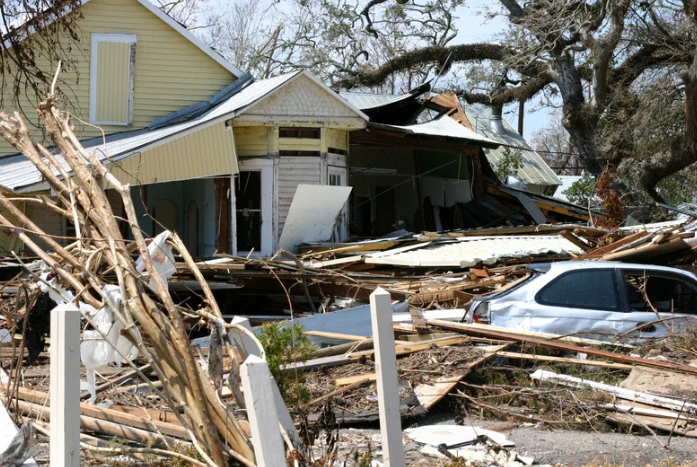
After a Texas coastal storm, the steps you take before calling a hurricane damage attorney, like documenting damage immediately, reporting promptly, avoiding recorded statements, and getting independent estimates, determine how strong your claim will be. Texas law sets strict deadlines, including a requirement to send written notice to your insurer at least 61 days before filing a lawsuit and a policy deadline to sue that in most cases starts running from the day of the storm, not the day your claim is denied.
A Texas coastal storm can destroy a roof, flood a home, and leave a business unable to operate, all within hours. What happens in the days and weeks after the storm determines how much of that loss you can recover.
The Houston hurricane damage attorneys at McLaurin Law represent Texas policyholders at every stage of this process, from the first phone call after a storm to the courtroom if that is what it takes to get you what you are owed.
1. Make Your Property Safe and Stop Further Damage
Before anything else, make sure your property is safe to enter. Once it is, your immediate priority is preventing additional damage. Not because your insurer expects perfection but because most policies require you to take reasonable steps to mitigate further loss after a covered event.
That means tarping a damaged roof to keep water out, covering broken windows, and removing standing water where you can. Keep every receipt for materials or services you use to make temporary repairs. Your insurer is required to reimburse reasonable mitigation costs, and those receipts are part of your claim.
Do not make any permanent repairs until your insurer and an independent professional have assessed the damage. Permanent repairs before inspection can eliminate critical evidence and give the insurer grounds to dispute the extent of your loss.
2. Document Everything Before It Changes
Your documentation is the foundation of your claim. The window to capture accurate evidence of storm damage closes quickly, as weather, temporary repairs, and cleanup can all change what the property looks like within days.
Start outside. Photograph all four sides of the structure, the roof if accessible, the yard, any vehicles, and every visible point of damage. Then work through the interior room by room. Photograph entire rooms first, then close-up shots of each damaged area. Do not assume the adjuster will see and record everything, because no one knows your property better than you.
Video walkthroughs are particularly effective because they capture the full scope and sequence of damage in a way that individual photos cannot. Date and timestamp everything. If you have photos or video from before the storm, preserve those too (before-and-after).
3. Report Your Claim to Your Insurer Immediately
According to the Texas Department of Insurance, you should report water damage that was hidden from view within days of first seeing it. Most Texas homeowners’ policies require you to report a loss promptly, and waiting too long gives your insurer grounds to raise a late notice defense.
Report the claim in writing where possible (email is best) to create a dated record. Keep a log of every phone call with your insurer, including the date, time, name of the person you spoke with, and what was discussed. This communication record becomes important if your claim is later delayed or denied.
What Texas Law Requires of Your Insurer After You File
Under Texas Insurance Code Sections 542.055 through 542.057, once you report your claim, your insurer must:
- Acknowledge receipt, begin investigating, and request any required documentation within 15 days
- Accept or deny your claim within 15 business days of receiving all required documentation, though they can extend that deadline by notifying you and taking up to 45 additional days
- Pay an approved claim within five business days of notifying you of acceptance
Note that in a declared weather-related catastrophe or major natural disaster, all of these deadlines are extended by an additional 15 days under Section 542.059(b).
4. Do Not Give a Recorded Statement Before Speaking With an Attorney
Your insurer will likely ask you to give a recorded statement about how the damage occurred, what your property looked like before the storm, and what repairs you have made. You are not required to give a recorded statement before speaking with an attorney, and doing so without legal guidance can be damaging.
Adjusters are trained to ask questions in ways that establish facts favorable to the insurer, pinning down timelines, characterizing damage as pre-existing, or noting inconsistencies between your statement and the physical evidence. A statement given in the days after a storm, when you are exhausted and still assessing damage, can be used against you throughout the life of the claim.
Notify your insurer of the loss promptly, but tell them you will provide a formal statement after you have spoken with a hurricane damage attorney.
5. Get Independent Estimates and Assessments
Your insurer will send their own adjuster to assess the damage. That adjuster works for the insurer, not for you. Their job is to document covered damage and arrive at a valuation, and that valuation is frequently lower than what your repairs will actually cost.
Before or alongside the insurer’s inspection, get independent contractor estimates from qualified professionals. For complex claims involving structural damage, roofing, or water intrusion, consider hiring a licensed public adjuster or engineer to produce an independent assessment. That report gives you an objective, third-party valuation to compare against the insurer’s figure, and it becomes critical evidence if the claim is disputed.
If your damage involves mold that developed after the storm, you will also need a licensed mold assessor. Texas requires all mold assessors to be licensed, and an independent assessment report can directly counter an insurer’s attempt to characterize storm-caused mold as a pre-existing condition.
At this stage in the process, the insurer already has an adjuster, an internal file, and a valuation. You should have an attorney. McLaurin Law can review your claim and your documentation before the insurer’s position becomes harder to challenge.
6. Understand Your Deadlines Before You Act
Texas hurricane claims involve multiple overlapping deadlines, and missing any one of them can seriously limit your options. Most Texas homeowners policies include a suit limitation clause that starts running from the date your storm hit, not the date your claim is denied. That means your clock may already be running before you even know there is a problem.
Before you file a lawsuit over a hurricane damage claim, you must also send your insurer a written pre-suit notice at least 61 days before filing under Chapter 542A of the Texas Insurance Code. That notice must include a statement of what went wrong, the specific amount you are claiming, and your attorney’s fees to date.
Skipping this step can cost you attorney’s fees and delay your case. If your claim has already been denied and you are considering legal action, check the date on your denial letter today. Multiple clocks may already be running.
7. Engage a Hurricane Damage Attorney Before Accepting Any Settlement
Insurance companies move quickly after a storm. They know that policyholders under financial pressure, with a damaged roof, displaced family, or closed business, are more likely to accept a low offer than to wait for a fair one. The first settlement offer is rarely the right one.
Once you sign a release and accept a settlement, you generally cannot go back for additional compensation, even if you discover further damage later, even if repair costs exceed the offer, and even if your injuries or losses turn out to be more serious than you realized at the time.
A denied or underpaid hurricane claim is the beginning of a process, not the end of your rights. A hurricane damage attorney reviews your policy, your documentation, the insurer’s offer, and the actual cost of your losses, then tells you whether what they are offering is fair before you sign anything.
The Right Hurricane Damage Attorney Makes the Difference From Day One
Every step in this list matters because insurers are building their case from the moment you report. Gaps in documentation, missed deadlines, premature repairs, and unguarded statements all give the insurer tools to reduce what they pay you. Working with a hurricane damage attorney early in the process closes those gaps before they become problems.
McLaurin Law handles hurricane insurance claim disputes for Houston and Harris County policyholders. Contact McLaurin Law to discuss the damage to your home today, before the lowball offers start streaming in and you’re tempted to accept them.
Frequently Asked Questions About Filing a Claim After a Texas Coastal Storm
1. When should I contact a hurricane damage attorney?
As early in the process as possible, ideally before you give a recorded statement, before you accept any settlement offer, and before your documentation strategy is set. A hurricane damage attorney can ensure your claim is built correctly from the start, before the insurer’s position hardens against you.
2. Do I need an attorney to file a hurricane insurance claim in Texas?
You are not legally required to have an attorney to file a claim. But insurers have experienced adjusters whose job is to minimize what they pay. Having a hurricane damage attorney who understands how those adjusters operate and how your policy should be applied levels the playing field significantly.
3. What if the insurance company’s adjuster says my damage is not covered?
Get an independent assessment before accepting that determination. The insurer’s adjuster works for the insurer. An independent contractor estimate, public adjuster report, or engineering assessment gives you objective evidence to compare against the insurer’s valuation. If there is a significant gap, that dispute is worth pursuing with legal representation.
4. How long do I have to file a hurricane damage lawsuit in Texas?
Most Texas homeowners policies include a suit limitation clause that gives you two years from the date of loss to file a lawsuit, not two years from the date of denial. You must also send a pre-suit notice under Chapter 542A of the Texas Insurance Code at least 61 days before filing. Contact McLaurin Law as soon as possible after your storm event.
5. What is the difference between a public adjuster and a hurricane damage attorney?
A public adjuster is a licensed professional who assesses and documents your damage and negotiates your claim value with the insurer. They are not attorneys and cannot represent you in litigation or file suit on your behalf. A hurricane damage attorney handles the full spectrum, from reviewing your policy and negotiating with the insurer to filing suit and taking your case to trial if necessary.