

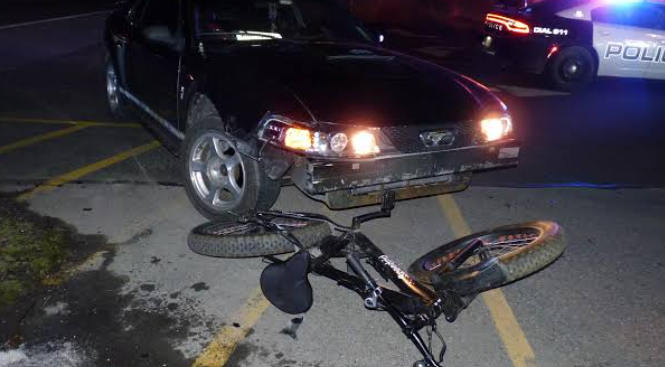
After a bicycle accident in Texas, the most important steps are calling 911, documenting the scene, avoiding any admission of fault, seeking immediate medical attention, and speaking with a bicycle accident attorney before accepting any settlement. Under Texas Civil Practice and Remedies Code Section 16.003, you have two years from the date of the crash to file a personal injury lawsuit, and under the proportionate responsibility rule in Section 33.001, anything you say or sign before understanding your case can reduce what you are able to recover.
If you were just hit by a car while riding your bike in Texas, the decisions you make in the next few hours matter more than most people realize. Insurance companies begin building their file on your claim immediately. Evidence disappears. Injuries that seem minor at the scene can turn serious within days.
Knowing what to do after a bicycle accident in Texas, and doing it in the right order, is the difference between a claim that holds up and one that falls apart. The Houston bicycle accident attorneys at McLaurin Law represent cyclists injured by negligent drivers across Harris County and the surrounding area. Here is what to do right now.
1. Check for Injuries and Call 911
Your safety comes first. If you can move safely, get yourself out of the road. Check for injuries, but do not assume you are uninjured just because you feel okay. Bicycle accidents regularly cause delayed-onset injuries, including concussions, soft tissue damage, and internal injuries that do not produce symptoms for hours or even days after the crash.
Call 911 immediately, even if the accident seems minor. A police report is one of the most important documents in a bicycle accident claim. It creates an official record of the crash, identifies the parties involved, and documents the responding officer’s observations, all of which become critical if the other driver later disputes what happened.
2. Stay at the Scene and Document Everything
While you wait for police to arrive, document as much as you can if you are physically able to do so. Take photos and video of:
- Your bike and all visible damage to it
- The vehicle that hit you and its license plate
- The point of impact on the road
- Skid marks, road markings, traffic signals, and signage
- Your injuries, including cuts, bruises, and road rash
- The overall scene from multiple angles
Get the driver’s name, license plate number, driver’s license number, and insurance information. If there are witnesses, ask for their names and contact details. Witness accounts are often decisive in disputed liability cases where the driver denies fault or tries to shift blame onto you.
The more you document at the scene, the harder it is for anyone to rewrite what happened later.
3. Do Not Admit Fault or Apologize
This is one of the most common and most damaging mistakes cyclists make after an accident. Do not apologize, speculate about what caused the crash, or say anything that could be interpreted as you accepting responsibility (even casually).
Under Texas Transportation Code Section 551.101, you have the same rights and duties as a driver on a public road. That means you have the legal right to be in that lane, at that intersection, and on that road. When a driver fails to yield, turns without checking, or opens a door into your path, they bear responsibility for the consequences.
Texas follows a proportionate responsibility rule, which means your compensation can be reduced by your percentage of fault. If you are found more than 50 percent responsible, you cannot recover anything at all. Do not give the insurer a head start on building that argument against you.
4. Seek Medical Attention Immediately
Go to an emergency room, urgent care clinic, or your primary care physician as soon as possible, even if you feel fine. This is not optional.
A medical evaluation creates a record that connects your injuries to the crash. If you wait days or weeks to see a doctor, the other driver’s insurer will argue that your injuries were caused by something else or that they are not as serious as you claim.
Bicycle accident injuries, including concussions, whiplash, and soft tissue damage, often do not produce noticeable symptoms until hours or days after the crash. Getting evaluated immediately is the single most important thing you can do to protect your medical record and your claim.
Follow your doctor’s treatment plan and attend every follow-up appointment. Gaps in your medical care are one of the most common tools insurers use to reduce what they pay.
5. Report the Accident to Your Insurance Company Carefully
Notify your own insurer that the accident occurred. Do not, however, give a recorded statement, accept any settlement, or sign any release before speaking with an attorney.
The other driver’s insurer may also contact you quickly, sometimes within hours of the crash. Their adjuster is not on your side. They are trained to ask questions that minimize the severity of your injuries and maximize your share of fault.
Decline to give a recorded statement until you have legal representation. Saying something as innocent as “I am feeling better today” can be used to undercut the severity of your injuries later.
6. Preserve Your Evidence
Start a file from day one and keep everything related to the accident in one place:
- The police report
- All medical records and bills
- Receipts for out-of-pocket expenses, including bike repairs
- Photos and video from the scene
- Correspondence with insurance companies
- A daily journal documenting how your injuries are affecting your work, sleep, and daily activities
If your bike was damaged, do not have it repaired until an independent assessment has been completed. The bike itself may be physical evidence. Similarly, preserve any damaged clothing or gear; road rash on a helmet or torn clothing supports the physical reality of the crash.
Lost wages are recoverable in Texas bicycle accident cases as economic damages under Texas Civil Practice and Remedies Code Section 41.001. Document any work you missed and ask your employer for written confirmation of lost income.
7. Speak With a Bicycle Accident Attorney Before Settling
Insurance companies move quickly after a bicycle accident. They may contact you within days with a settlement offer that sounds reasonable but is far less than what your claim is actually worth. Once you sign a release and accept a settlement, you generally cannot go back for more, even if your injuries turn out to be more serious than they appeared at the time of the offer.
Under Texas Civil Practice and Remedies Code Section 16.003, you have two years from the date of the accident to file a personal injury lawsuit. That clock starts on the day of the crash, not the day negotiations break down or the day you receive a denial.
Do not let pressure from an insurer push you into a decision before you understand what your case is worth. McLaurin Law handles bicycle accident cases for Houston and Harris County riders. Contact us to discuss your case today.
Frequently Asked Questions About What Happens After a Bicycle Accident
1. What should I do immediately after a bicycle accident in Texas?
Call 911 and stay at the scene. Get a police report even if the accident seems minor. Document everything, including photos of your bike, the vehicle, your injuries, road markings, and traffic signals. Get the driver’s insurance and contact information. Do not admit fault or apologize, and seek medical attention immediately even if you feel fine. The steps you take in the first hour directly affect your ability to recover compensation.
2. Do I need a police report after a bicycle accident in Texas?
Yes. A police report creates an official record of the crash that insurance companies and courts rely on. Call 911 even if the accident seems minor. Without a report, the other driver can dispute what happened, and your insurer has less to work with. The report also documents the responding officer’s observations about the scene, which can be critical in a disputed liability case.
3. What if I feel fine after a bicycle accident? Do I still need to see a doctor?
Yes. Concussions, soft tissue injuries, and internal injuries often do not produce noticeable symptoms for hours or days after a crash. If you wait to seek medical attention, the insurer will argue your injuries were caused by something else or are not as serious as you claim. Getting evaluated immediately creates the medical record that connects your injuries to the accident.
4. How long do I have to file a bicycle accident lawsuit in Texas?
You have two years from the date of the accident under Texas Civil Practice and Remedies Code Section 16.003. Missing that deadline means giving up your right to sue regardless of how strong your case is. Do not wait until you are close to the deadline, as building a strong claim takes time and getting an attorney involved early gives you the best position.
5. Can I still recover compensation if I was partly at fault for the bicycle accident?
Possibly. Under Texas’s proportionate responsibility rule, your compensation is reduced by your percentage of fault. If you are found more than 50 percent at fault, you cannot recover damages. Your percentage of fault is usually what gets disputed, which is why having an attorney involved early, before you give any statements or sign anything, matters significantly.
6. Should I accept the insurance company’s first settlement offer after a bicycle accident?
Not before speaking with an attorney. The first offer is rarely the right one. Insurance companies know that injured cyclists under financial pressure are more likely to accept less than their claim is worth. Once you sign a release, you generally cannot go back for more, even if your injuries turn out to be more serious than they appeared at the time of the offer.