

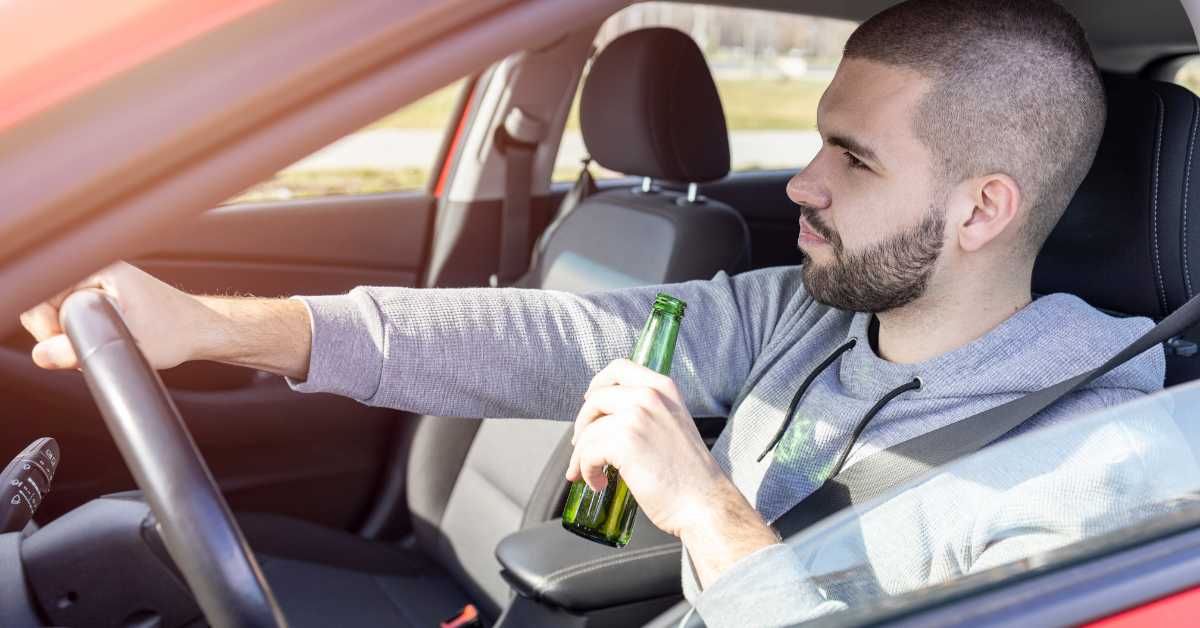
A DUI accident in Texas will raise your insurance rates by 50 to 200 percent or more, require you to file an SR-22 certificate with the Texas DPS for two years under Transportation Code Chapter 601, and may result in your policy being cancelled entirely. How much your rates increase and how long the impact lasts depends on your insurer, your prior driving record, your age, and whether the DUI involved an accident causing injury or death.
The personal injury attorneys at McLaurin Law represent people injured by drunk drivers in Houston and across Harris County. Here is what you need to know about your insurance and the legal consequences before the process plays out.
What Happens to Your Insurance After a DUI in Texas
When your insurer learns of a DUI or DWI conviction, they reassess your risk profile immediately. From their perspective, a driver convicted of driving while intoxicated is statistically more likely to cause a serious accident. That increased risk translates directly into higher premiums or no coverage at all.
Your insurer learns about your DUI through the Texas Department of Public Safety when your driving record is updated. There is no way to hide a DUI conviction from your insurer once it is on your record.
Here is what you can expect:
- Rate increases: A DUI conviction in Texas can cause your insurance premiums to increase by 50 to 200 percent or more, depending on your insurer, your prior driving history, your age, and whether the DUI involved an accident. Younger drivers and those with prior violations typically see the steepest increases.
- Policy cancellation or non-renewal: Some insurers will cancel your policy or choose not to renew it when it comes up for renewal after a DUI. If this happens, you will need to find coverage through a high-risk insurer, which will be more expensive than standard market rates.
- Reclassification as a high-risk driver: Even if your current insurer keeps you on, you may be moved into a non-standard insurance market where fewer companies offer coverage and costs are substantially higher.
- Long-term impact: Most Texas insurers look back at least three to five years when setting rates. A DUI conviction stays on your Texas driving record for life, which means the financial impact on your insurance is long-term.
The SR-22 Requirement After a DUI in Texas
One of the most immediate legal consequences of a DUI conviction in Texas is the requirement to file an SR-22 certificate with the Texas Department of Public Safety. An SR-22 is not a type of insurance. It is a certificate that your insurer files with the Texas DPS to prove you are maintaining the state’s minimum required auto insurance coverage.
According to the Texas Department of Public Safety, you are required to maintain a valid SR-22 for two years from the date of your conviction. This requirement is established under the Motor Vehicle Safety Responsibility Act.
The minimum liability coverage you must carry under the SR-22 is:
- $30,000 for bodily injury to or death of one person in one crash
- $60,000 for bodily injury to or death of two or more persons in one crash
- $25,000 for damage to or destruction of property of others in one crash
If you were injured by a drunk driver in Houston, the fact that they are facing higher insurance rates and an SR-22 requirement does not mean you will be fairly compensated automatically. Contact McLaurin Law for help pursuing the full compensation you are owed.
How Long Will a DUI Affect Your Insurance Rates in Texas?
The SR-22 requirement lasts two years from the date of conviction. But your insurance rates may remain elevated well beyond that. Most Texas insurers factor a DUI into your rate calculations for three to five years, and some look back even further depending on their underwriting policies.
Because a DUI stays on your Texas driving record permanently, insurers will always be able to see it. However, the practical premium impact tends to diminish over time as the conviction ages, particularly if you maintain a clean driving record in the years that follow.
What If You Caused an Accident While Driving Under the Influence
If your DUI involved an accident, the consequences go beyond higher insurance rates.
- Your liability coverage may still apply: A liability policy generally covers damages you cause to others even when you are at fault. However, your insurer may argue that a DUI changes the coverage analysis, particularly if your policy contains exclusions for intentional or criminal acts.
- You may be personally liable for damages above your limits: If the injured party’s losses exceed your coverage limits, you may be responsible for the remainder out of pocket. This is why the state minimum 30/60/25 coverage is often insufficient in serious accident cases.
- The criminal consequences escalate significantly: Under Texas Penal Code Chapter 49, causing serious bodily injury to another person while driving while intoxicated is intoxication assault, a third-degree felony. Causing death while intoxicated is intoxication manslaughter, which is a second-degree felony.
- A wrongful death or personal injury claim may follow: If someone was seriously injured or killed, their family may pursue a civil claim against you on top of any criminal charges. Your insurer handles the claim up to your policy limits, and what comes after that is your personal exposure.
Your Insurance Situation After a DUI Accident Is Manageable With the Right Help
A DUI conviction in Texas creates serious financial and legal consequences, but it does not have to define your situation permanently.
On the insurance side, shopping multiple SR-22-capable insurers can significantly reduce what you pay during the mandatory coverage period. On the legal side, understanding your rights, whether you are the charged driver or the injured party, puts you in a much stronger position.
McLaurin Law handles personal injury cases involving drunk driving accidents for Houston and Harris County residents. Contact McLaurin Law to discuss your situation today.
Frequently Asked Questions About Insurance Rates After a DUI Accident
1. Will my insurance rates definitely go up after a DUI in Texas?
Yes. A DUI or DWI conviction in Texas will cause your car insurance rates to increase. The only question is by how much. Depending on your insurer, your age, and your prior driving record, your premiums could increase by 50 to 200 percent or more. In some cases your insurer may cancel your policy or decline to renew it, requiring you to find coverage through a high-risk insurer at even higher rates.
2. What is an SR-22, and do I need one after a DUI in Texas?
An SR-22 is a certificate of financial responsibility that your insurer files with the Texas Department of Public Safety to prove you are carrying the required minimum auto insurance coverage. After a DUI conviction in Texas, you are required to maintain a valid SR-22 for two years under Texas Transportation Code Chapter 601. If your SR-22 lapses, your driving privileges can be suspended again.
3. How long will a DUI affect my insurance rates in Texas?
The SR-22 requirement lasts two years from your conviction date. However, most Texas insurers factor a DUI into your premium calculations for three to five years. Because a DUI stays on your Texas driving record permanently, the conviction will always be visible to insurers, though its practical impact on your rates typically diminishes over time as you build a clean driving record.
4. What if the drunk driver who hit me does not have enough insurance to cover my losses?
If the at-fault drunk driver’s liability coverage is insufficient to cover your losses, your own uninsured or underinsured motorist coverage may apply. You may also be entitled to pursue the driver personally for the difference. A DUI attorney can review the full picture of available coverage and advise you on all your options before you accept any settlement.
5. Can I be sued personally if I caused a DUI accident in Texas?
Yes. If your liability coverage limits are not enough to cover the damages you caused, the injured party can pursue the remainder from you personally. This is why carrying adequate liability coverage, well above the state minimum, is particularly important. If your DUI accident caused serious injury or death, the financial exposure can be substantial.
6. How does a DUI conviction affect my ability to get car insurance in Texas?
Some standard insurance companies will cancel your policy or refuse to write coverage for high-risk drivers after a DUI. You may need to find coverage through a non-standard or high-risk insurer, which will cost more. Shopping multiple SR-22-capable insurers is the most effective way to find the lowest available rate. According to the Texas Department of Insurance, all licensed insurers in Texas must follow state regulations, but their individual underwriting policies on DUI vary significantly from company to company.