

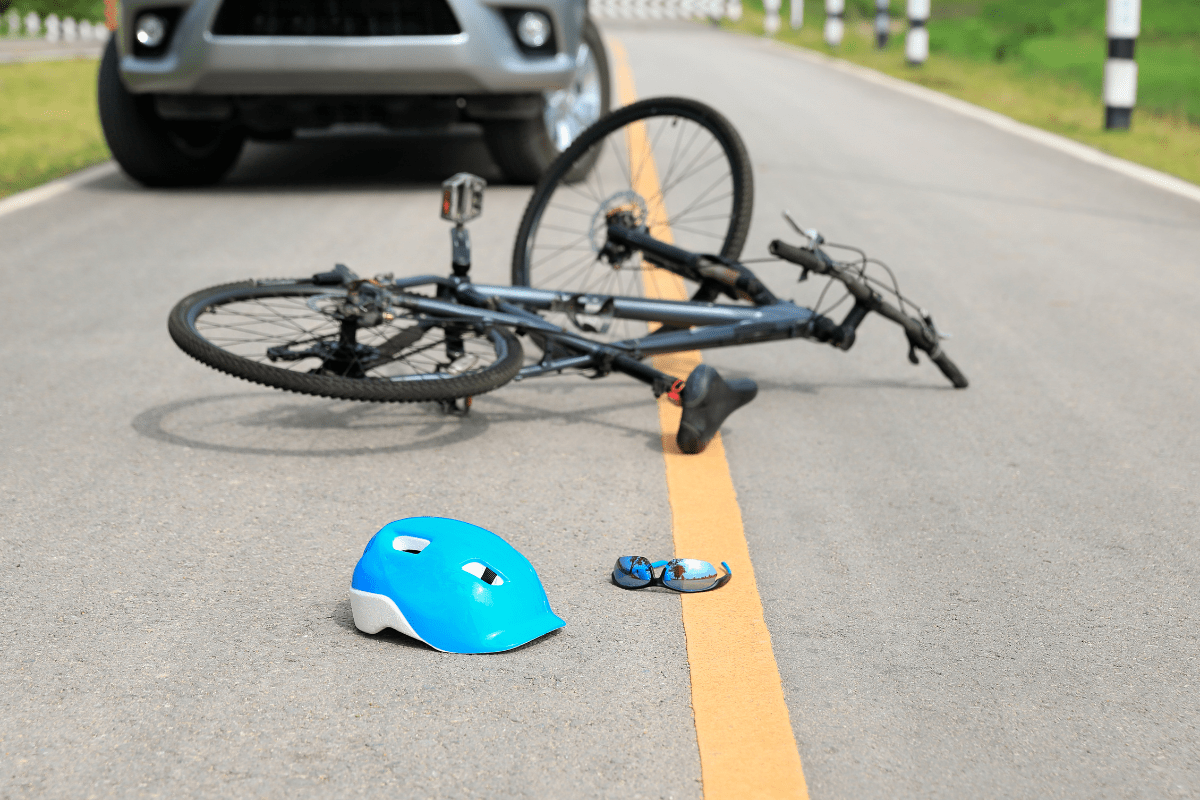
Bicycle accident compensation in Texas includes economic damages (medical expenses, lost wages, and property damage) and noneconomic damages (including pain and suffering, mental anguish, and loss of enjoyment of life). Your recovery can be reduced by your percentage of fault under the proportionate responsibility rule in Section 33.001, so how fault is determined and whether it can be challenged directly affects how much ends up in your pocket.
If you were hit by a car while riding your bike in Texas, you may be entitled to far more than just your medical bills. Texas law allows injured cyclists to recover a full range of economic and noneconomic damages from the at-fault driver, but what you can actually recover depends heavily on the evidence you have, the severity of your injuries, and how quickly you act to protect your claim.
Below, Jason McLaurin, founding Houston bicycle accident attorney at McLaurin Law, explains what bicycle accident compensation looks like under Texas law, what factors affect how much your claim may be worth, and what you need to do to put yourself in the strongest possible position before you accept any settlement.
What Types of Compensation Are Available After a Bicycle Accident in Texas?
Texas law divides damages in a personal injury case into two categories: economic damages and noneconomic damages. Both are available in a bicycle accident claim, and both matter significantly to the total value of your case.
Economic damages
Economic damages are the financial losses you can document and calculate. Under Texas Civil Practice and Remedies Code Section 41.001, economic damages are defined as compensatory damages intended to compensate you for actual economic or pecuniary loss.
In a bicycle accident case, your economic damages typically include:
- Medical expenses: Emergency room treatment, hospitalization, surgery, physical therapy, medication, medical equipment, and any future medical care you will need as a result of your injuries. Under Section 41.0105, recovery of medical expenses is limited to the amount actually paid or incurred, not the billed amount before insurance adjustments.
- Lost wages: Income you lost while recovering from your injuries and unable to work.
- Future loss of earning capacity: If your injuries permanently affect your ability to work or earn at the same level as before the accident, you may recover for that long-term financial impact.
- Property damage: The cost to repair or replace your bicycle, helmet, cycling gear, and any other personal property damaged in the crash.
- Out-of-pocket expenses: Transportation costs to medical appointments, home care costs, and other expenses directly caused by your injuries.
The stronger your documentation of these losses (medical records, pay stubs, employer letters, receipts), the harder it is for the insurer to dispute what you are owed.
Noneconomic damages
Noneconomic damages compensate you for losses that do not have a specific dollar amount but are very real. These include:
- Pain and suffering: Physical pain experienced as a result of your injuries, both past and ongoing.
- Mental anguish: Emotional distress, anxiety, depression, and psychological impact caused by the accident and your recovery.
- Physical impairment: Loss of physical function or ability resulting from your injuries.
- Disfigurement: Permanent scarring or physical changes to your appearance caused by the crash.
- Loss of enjoyment of life: If your injuries prevent you from participating in activities you enjoyed before the accident, you may recover for that loss.
Noneconomic damages are harder to quantify than economic damages, which is one reason having legal representation matters. Insurers routinely undervalue pain and suffering in initial settlement offers because they know unrepresented claimants often do not know what their noneconomic damages are actually worth.
If you are unsure what your bicycle accident claim is worth, call McLaurin Law to review the specific facts and give you a clear picture before you accept any offer.
How Texas Proportionate Responsibility Affects Your Compensation
One of the most important things to understand about bicycle accident compensation in Texas is that your recovery can be reduced or eliminated, depending on your percentage of fault in the accident.
Texas follows the proportionate responsibility rule under Texas Civil Practice and Remedies Code Section 33.001. If you are found to be partially at fault for the crash, your compensation is reduced by your percentage of fault. If you are found more than 50 percent at fault, you cannot recover anything at all.
This is the rule insurers exploit most aggressively after bicycle accidents. Even when a driver clearly caused the crash, the insurer will look for any reason to assign a percentage of fault to you, including your lane position, failure to signal, riding without lights at night, and not wearing a helmet. Every percentage point they shift to you reduces what they have to pay.
As we covered in our post on who is liable in a Texas bicycle accident at an intersection, these arguments can be challenged, but they need to be challenged early, before you give statements or sign anything that locks in a fault determination.
What Factors Affect How Much Your Bicycle Accident Claim Is Worth?
No two bicycle accident claims are the same. The value of your claim depends on a combination of factors:
- Severity of your injuries: A concussion, broken bones, or road rash that heals in weeks produces a different claim value than a traumatic brain injury, spinal damage, or permanent disability. The more serious and lasting your injuries, the higher your economic and noneconomic damages.
- Strength of the liability case: If the other driver ran a red light, has a police report confirming fault, and witnesses corroborate your account, your liability case is strong. If fault is disputed and the evidence is mixed, the value of your claim is harder to establish and easier for the insurer to contest.
- Quality of your medical documentation: As we covered in our post on delayed car accident injuries in Texas, gaps in your medical record, particularly delays in seeking treatment, are one of the most effective tools insurers use to reduce what they pay. Consistent, well-documented medical care from the day of the accident strengthens your claim significantly.
- Your pre-accident income and earning capacity: Lost wages and future earning capacity are calculated based on what you were earning before the accident. Higher earners with documented income typically have larger economic damages.
- Your percentage of fault: Under the proportionate responsibility rule, even a 10 or 20 percent fault assignment can meaningfully reduce your recovery. Keeping that number as low as possible by documenting your compliance with traffic law at the time of the crash directly affects how much you can recover.
- Whether the at-fault driver was insured: The other driver’s liability coverage sets the ceiling on what their insurer will pay. If the driver is uninsured or underinsured and you carry uninsured/underinsured motorist coverage, your own policy may be the primary source of recovery.
What About Exemplary Damages?
In most bicycle accident cases, you are limited to economic and noneconomic damages. But if the driver who hit you was driving drunk or engaged in conduct that goes beyond ordinary negligence, meaning they were aware of an extreme risk to others and acted with conscious indifference to your safety, you may be entitled to seek exemplary damages under Texas Civil Practice and Remedies Code Section 41.003.
Proving exemplary damages requires clear and convincing evidence of fraud, malice, or gross negligence. In drunk driving cases specifically, the cap on exemplary damages may not apply.
These damages are intended to punish particularly egregious conduct and deter similar behavior. They are not available in every bicycle accident case, but in cases involving intoxicated or criminally reckless drivers, they can significantly increase the total recovery available to you.
Know What Your Claim Is Worth Before You Accept Anything
The first settlement offer from an insurer is rarely the right one. Insurance companies make initial offers quickly, before you know the full extent of your injuries, before your medical treatment is complete, and before you understand what your claim is actually worth. That timing is not accidental.
McLaurin Law handles bicycle accident cases for Houston and Harris County riders. Contact McLaurin Law to discuss your bicycle accident compensation before you sign anything.
Frequently Asked Questions About Bicycle Accident Compensation in Texas
1. What damages can I recover after a bicycle accident in Texas?
You can recover economic damages (including medical expenses, lost wages, future earning capacity, property damage, and out-of-pocket costs), as well as noneconomic damages (including pain and suffering, mental anguish, physical impairment, disfigurement, and loss of enjoyment of life). The specific amount depends on the severity of your injuries, the strength of your liability case, and your percentage of fault under Texas’s proportionate responsibility rule.
2. How is pain and suffering calculated in a Texas bicycle accident case?
There is no fixed formula for calculating pain and suffering in Texas. It is determined by the judge or jury based on the nature and severity of your injuries, how long you have suffered, how your injuries affect your daily life, and the credibility and completeness of your medical documentation. Insurers typically undervalue pain and suffering in initial settlement offers, which is one of the most important reasons to have an attorney review any offer before you accept it.
3. Can I still recover compensation if I was not wearing a helmet?
Possibly. Texas law allows adults 21 and older to ride without a helmet under certain conditions. Even if you were not wearing a helmet, not wearing one does not mean you caused the crash. Under the proportionate responsibility rule, the insurer may argue your injuries were worsened by not wearing a helmet, but that argument can be challenged, particularly if your injuries are not primarily head injuries.
4. What if the driver who hit me does not have enough insurance?
If the at-fault driver’s liability coverage is not enough to cover your losses, your own uninsured or underinsured motorist coverage may apply. Texas law does not require insurers to include this coverage, but they must offer it. Check your own policy to confirm what coverage you have.
5. How long do I have to file a bicycle accident lawsuit in Texas?
You have two years from the date of the accident under Texas Civil Practice and Remedies Code Section 16.003. That deadline starts on the day of the crash, not the day of a denial or the day negotiations end. Contact McLaurin Law as soon as possible after your accident.
6. How much is my bicycle accident case worth?
Every case is different, and no attorney can guarantee a specific outcome. The value of your claim depends on the severity and permanence of your injuries, the strength of the liability evidence, your documented financial losses, and your percentage of fault. The best way to understand what your case may be worth is to speak with a bicycle accident attorney who can review the specific facts.