

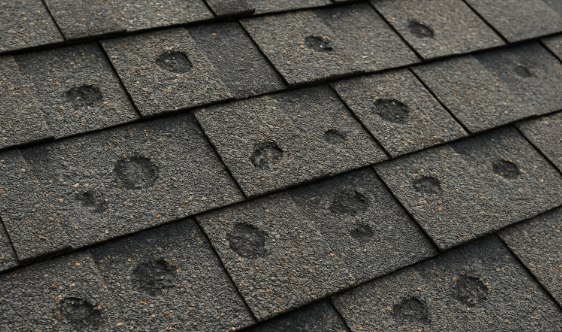
From cracked windshields to roof damage and structural issues, severe storms can leave homeowners facing costly repairs and a complicated hail damage insurance claim in Texas. If you’re in that boat, understanding your rights and the claims process is essential.
At McLaurin Law, we help policyholders navigate hail damage insurance claims and fight back when insurers delay, underpay, or wrongfully deny coverage. This guide walks you through everything you need to know about hail damage insurance claims in Texas.
Why Hail Damage Is a Serious Issue in Texas
Texas consistently ranks among the top states for hail-related property damage because even small hailstones can:
- Crack or bruise shingles
- Damage siding and gutters
- Break windows and skylights
- Compromise structural integrity
- Lead to hidden water intrusion and mold
And because hail damage is often not immediately visible, many homeowners unknowingly accept underpaid claims or miss filing deadlines.
What Does Homeowner Insurance Cover for Hail Damage in Texas?
Most standard homeowners’ policies in Texas cover hail damage under dwelling and other structures coverage, and this typically includes:
- Roof repairs or replacement
- Exterior siding
- Windows
- Detached structures (garages, sheds)
- Interior water damage caused by storm-related openings
However, coverage depends on your specific policy terms and exclusions. Insurance companies may attempt to claim the damage was pre-existing, argue the roof was too old, pay for partial repairs only, and apply depreciation unfairly. If this happens, you may have legal options.
Steps to Take After Hail Damage
- Inspect and Document the Damage: Take clear photos and videos of all visible damage immediately after the storm. Keep records of the storm date and any weather reports.
- Prevent Further Damage: Make temporary repairs if necessary to prevent additional water intrusion and keep receipts for reimbursement.
- File Your Insurance Claim Promptly: Notify your insurance company as soon as possible because Texas policies often have strict notice requirements.
- Get an Independent Inspection: Roofing contractors can help identify damage the insurance adjuster may overlook.
Common Insurance Company Tactics in Hail Claims
Unfortunately, insurers sometimes prioritize minimising payouts over fairly compensating homeowners, and common tactics include:
- Delaying inspections
- Offering low settlement amounts
- Claiming cosmetic damage only
- Requiring excessive documentation
- Blaming wear and tear instead of hail
Texas law protects policyholders from unfair claim settlement practices. If your insurer acts in bad faith, you may be entitled to additional damages beyond your policy benefits.
How Texas Law Protects Policyholders
Under Texas insurance regulations, insurers must:
- Conduct prompt investigations
- Provide timely claim decisions
- Offer fair settlements when liability is clear
- Explain claim denials in writing
Failure to follow these rules can expose insurance companies to penalties and additional liability.
When Should You Contact a Hail Damage Lawyer?
You should consider contacting an attorney if:
- Your claim was denied
- You received a low settlement offer
- The insurance company is delaying payment
- You’re being pressured to accept a quick payout
- Your home still shows damage after repairs
The insurance attorneys at McLaurin Law review policies, gather evidence, negotiate with insurers, and, when necessary, pursue litigation to secure full compensation.
Contact McLaurin Law for Hail Damage Insurance Claims in Texas Today
Hail damage claims can quickly become overwhelming, especially when you’re trying to repair your home and manage insurance disputes at the same time. You don’t have to handle it alone.
If your insurance company has delayed your hail damage claim, contact McLaurin Law to discuss your options. We are committed to holding insurers accountable and helping Texas homeowners recover the compensation they deserve.
Frequently Asked Questions about Hail Damage Insurance Claims in Texas
1. How long do I have to file a hail damage claim in Texas?
Most policies require prompt notice, and many policies limit the time to file a breach of contract claim to three years after the incident or two years after denial (whichever is sooner). Shorter time limitations may apply in connection with bad-faith/Texas Insurance Code claims. It’s best to file as soon as possible after discovering damage.
2. Can my claim be denied because my roof is old?
Age alone is not an automatic ground for denial. If hail caused new damage, your insurer may still be obligated to pay for covered repairs.
3. Should I accept the first settlement offer?
Not necessarily. Initial offers are often lower than what is required for full restoration. Always review repair estimates carefully.
4. What if my insurance company says the damage is “cosmetic”?
Cosmetic damage can still affect your property’s value and functionality; therefore, a second opinion may reveal structural issues the insurer overlooked.
5. Can I reopen a hail damage claim?
In some cases, yes. Especially if additional damage is discovered after the initial inspection.
