

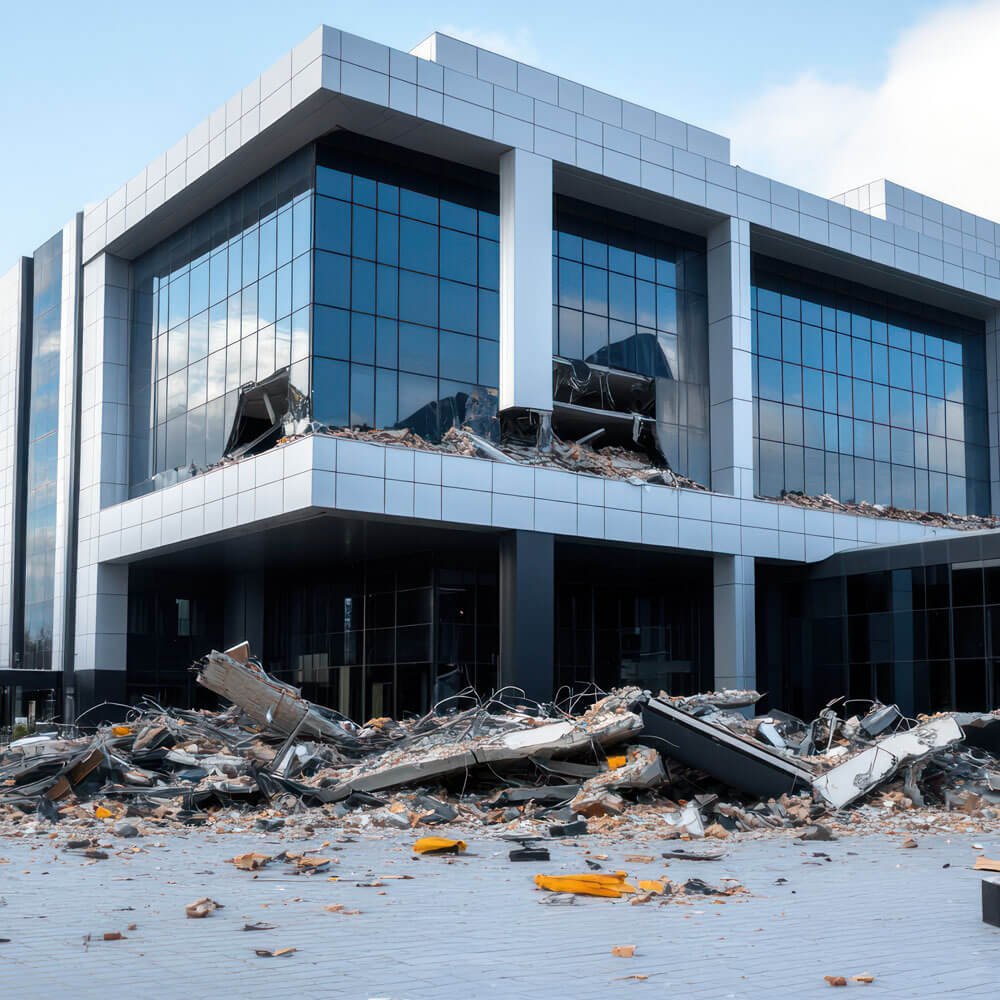
Filing a commercial hurricane insurance claim in Texas without understanding your policy, documenting your damage, or knowing your deadlines can cost you. The most common mistakes are avoidable, but only if you know what to watch for before and after the storm.
If your commercial property took a hit in a hurricane, the insurance claim that follows can feel just as overwhelming as the storm itself. You are trying to keep your business running, assess the damage, and deal with an insurer who has every incentive to pay you less than what you need.
The commercial property insurance claims team at McLaurin Law has worked through these claims with Texas business owners and seen the same mistakes come up again and again. Here is what to avoid.
Mistake #1: Not Understanding Your Insurance Policy
Before filing an insurance claim after a hurricane, review the terms and conditions of your policy. Ensure you understand your policy coverage, deductible, and the specific types of coverage your policy does and does not include.
The best time to do that is before a hurricane hits, not after. Knowing your policy before a storm hits means no surprises when you need to use it. Misunderstanding your policy can result in significant delays, underpayment, or a denied claim.
A few things worth confirming before storm season:
- Whether your policy covers wind damage, flood damage, or both: Many commercial policies exclude flood, which requires a separate policy
- What your named storm deductible is: It is often higher than your standard deductible and calculated as a percentage of your insured value
- Whether you have business interruption coverage and what triggers it
- What documentation your insurer requires to support a claim
If the policy language is unclear, call a commercial property insurance lawyer who can walk you through what your policy actually covers before you need to use it.
Mistake #2: Failing to Properly Document All Hurricane Damage to Your Commercial Property
After a hurricane, take photos or videos of the damage to your business and commercial property as soon as possible. Documenting and accounting for all damages will help you provide the necessary supporting documentation to your commercial insurance carrier during the claim handling process.
Do not wait for the adjuster to arrive before documenting. Get your own record first!
Here’s what thorough documentation looks like:
- Photograph every area of damage: Exterior, interior, roof, mechanical systems, inventory
- Record video walkthroughs with verbal descriptions of what you are seeing
- Document pre-existing conditions separately so your insurer cannot use them to dispute storm damage
- Keep receipts for any emergency repairs you make to prevent further damage (those costs may be recoverable)
Mistake #3: Neglecting to File Your Commercial Hurricane Insurance Claim on Time
Most policies have deadlines for filing claims after a hurricane; failing to submit your hurricane damage claim within the timeframe specified in your policy could cause your insurance company to deny your claim, in whole or in part.
Texas law also imposes its own deadlines on insurers. They must acknowledge your claim, investigate it, and respond within specific timeframes under the Texas Prompt Payment of Claims Act. If your insurer is sitting on your claim past those deadlines, that is a violation you can act on.
Mistake #4: Accepting the First Offer Without Consulting an Attorney
When filing an insurance claim after a hurricane, do not accept the first offer from the insurance company, especially if you haven’t yet consulted with an attorney. Insurance companies typically offer a lower settlement than what you are entitled to under the policy or what is required to repair or replace your damaged property.
Once you accept a settlement and sign a release, your options narrow significantly, even if you later discover the damage was worse than initially assessed or the payment did not cover the full scope of repairs.
Before you accept anything:
- Get independent repair estimates from contractors of your choosing
- Have an attorney review the settlement offer against your actual policy entitlement
- Understand what you are releasing and whether supplemental claims are still possible
Mistake #5: Misrepresenting the Damage to Your Commercial Property
Do not misrepresent damage when filing an insurance claim after a hurricane. If your insurer discovers this, it could result in a denied claim or a potential criminal charge for fraud. When filing a claim, stick to the facts and be honest.
Document what is there. Let the evidence make your case. Exaggerating or inflating a claim gives the insurer a legitimate reason to deny it and hands them leverage they would not otherwise have.
Mistake #6: Failing to Document Costs and Communication with Your Commercial Insurer
Keep detailed records, including emails, letters, and notes from phone calls, of all costs associated with repair or replacement of storm-damaged property and all communications between you and the insurance company and its representatives during the claims process.
That paper trail is what resolves disputes. Without your own records, you are relying on the insurer’s version of events.
What to keep in your claims file:
- Every written communication from your insurer
- Notes from every phone call, including the date, time, and name of the person you spoke with
- All repair estimates, invoices, and receipts
- A timeline of when you submitted documents and when (or whether) the insurer responded
How McLaurin Law Helps Texas Commercial Property Owners After a Hurricane
Filing a commercial hurricane insurance claim in Texas is not something most business owners have done before. The process is complicated, the stakes are high, and insurers know that most policyholders will accept whatever they are offered.
Most business owners we hear from are not angry that the hurricane happened. They are angry that their insurer made it worse. If that is where you are, denied, underpaid, or still waiting, the commercial property insurance claims team at McLaurin Law knows what to do with that. Send us a message and we will tell you honestly where you stand.
Frequently Asked Questions About Commercial Hurricane Insurance Claims in Texas
1. What does a commercial hurricane insurance policy typically cover in Texas?
Most commercial property policies cover wind damage from a hurricane, but flood damage is usually excluded and requires a separate policy through the National Flood Insurance Program or a private flood carrier. Your policy should also specify whether it covers business interruption losses, debris removal, and the cost of temporary repairs to prevent further damage. Review your policy before storm season so you are not finding out what is missing after the fact.
2. What is a named storm deductible, and how does it affect my claim?
A named storm deductible applies specifically when damage results from a storm that has been officially named by the National Hurricane Center. It is typically calculated as a percentage of your property’s insured value (often 2% to 5%), rather than a flat dollar amount. That means on a $2 million property, your deductible could be $40,000 to $100,000 before your insurer pays anything. Knowing this figure before you file helps you set realistic expectations about your recovery.
3. How long do I have to file a commercial hurricane insurance claim in Texas?
Your policy will specify the deadline, and it varies by carrier. Most require prompt notice, often within a set number of days of the loss. Missing that window can give your insurer grounds to deny the claim. If you are unsure of your deadline, review your policy immediately or send us a message and we can take a look.
4. What can I do if my commercial hurricane insurance claim was denied in Texas?
A denial is not the end of the road. Your insurer is required to give you a written explanation, and that explanation can be challenged. Common grounds for disputing a denial include an improper investigation, a misinterpretation of your policy, or a failure to follow Texas Prompt Payment of Claims Act deadlines.
5. Can I sue my insurer for bad faith after a hurricane claim in Texas?
Yes, if the insurer’s conduct went beyond a simple dispute over value. Misrepresenting your policy, refusing to conduct a reasonable investigation, or unreasonably delaying payment can support a bad faith insurance claim under Chapter 541 of the Texas Insurance Code. Bad faith claims can result in additional damages beyond what your policy would otherwise pay.
6. Do I need a lawyer to file a commercial hurricane insurance claim?
You are not required to have one, but the difference in outcomes is significant. Insurers negotiate with their own adjusters and attorneys every day. Having McLaurin Law in your corner means someone who knows the policy language, the claim timelines, and what insurers typically try to get away with is working on your side.